Executive Summary
GV Battery new energy co.ltd.(the “JV”) is a joint venture established under the Letter of Intent dated September 1, 2025, between Visionary Holdings Inc. (51% ownership) and Chongqing Battery Power New Energy Technology Co., Ltd. & XGreen Energy Development Co., Ltd. (combined 49% ownership). The JV focuses on the procurement, distribution, installation, and maintenance of electric vehicle (EV) charging piles in Canada, capitalizing on the growing EV market and government support for green infrastructure.
The business will target strategic locations including construction sites (via partnerships with construction associations), universities (for campus and research integrations), gas stations (for transitional energy hubs), supermarkets, and fast-food restaurants (for high-traffic public access). Initial capital is CAD 1,000,000, with a pilot phase deploying 30 units from August to December 2025, scaling to at least 500 units annually starting in 2026.
Market projections indicate strong growth: Canada’s EV charging market is expected to reach USD 944.5 million by 2030, with a CAGR of 29.50% from 2025-2033. EV adoption is forecasted to hit 222,080 units sold by 2030, supported by federal incentives like the Zero Emission Vehicle Infrastructure Program (ZEVIP), which recently allocated $17.7 million for 850 chargers in 2025.
The JV aims for revenue from sales, installation fees, maintenance contracts, and usage-based charging, projecting CAD 2.5 million in Year 1 revenue, scaling to CAD 15 million by Year 3. Break-even is anticipated within 18 months, with a 25% ROI by Year 3.
Company Description
Overview
GV Battery new energy co.ltd.is a Canadian-incorporated entity dedicated to advancing green energy through EV charging infrastructure. Headquartered in Toronto, Ontario, the JV leverages Visionary Holdings’ local expertise in site support, policy navigation, and R&D, combined with Chongqing Battery Power’s advanced charging pile technology and manufacturing capabilities.
Mission
To build a forward-looking green energy ecosystem by deploying reliable, ultra-fast charging stations that promote electric mobility, smart city integration, and sustainable development across Canada.
Legal Structure
- Ownership: Visionary Holdings Inc. (51%), Chongqing Battery Power New Energy Technology Co., Ltd. (49%).
- Governance: Managed by a board with representatives from both parties; daily operations led by a CEO appointed by Visionary.
- Incorporation: Targeted completion by September 15, 2025, as per the LOI.
Products and Services
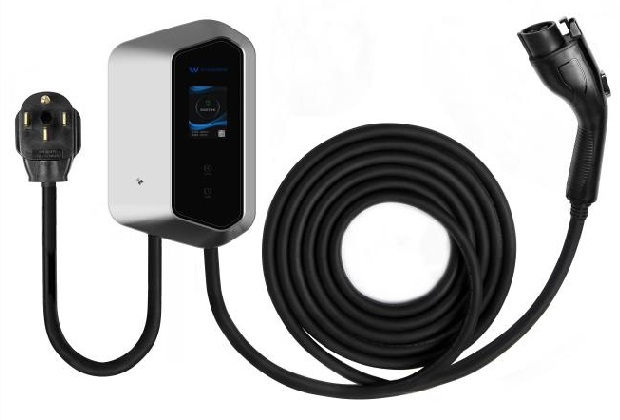
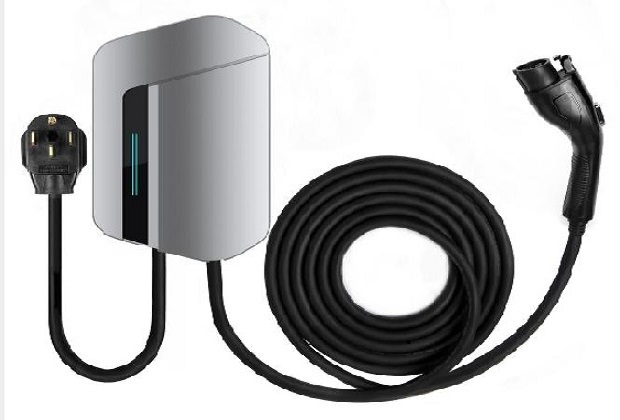
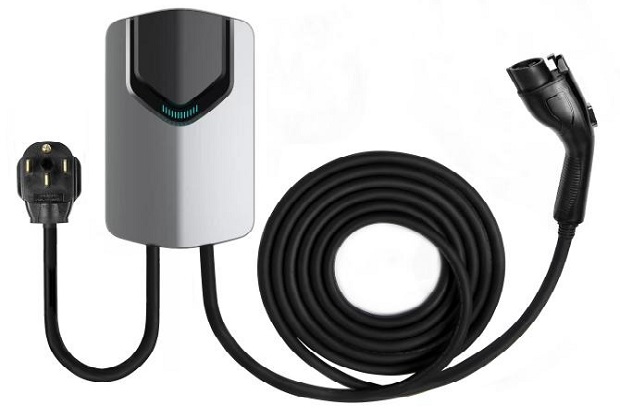
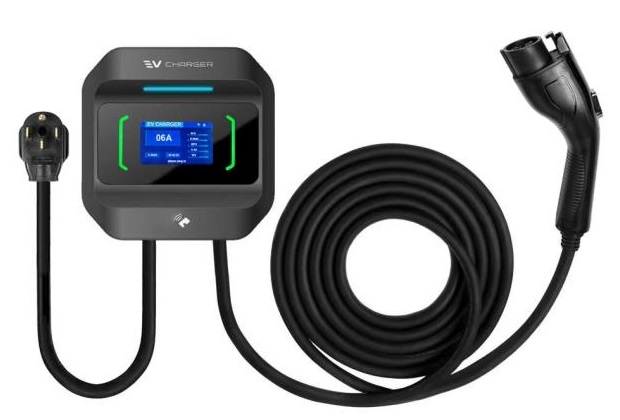
- Charging Piles: Residential, public, and ultra-fast (up to 400kW) stations, certified to CSA, UL, and Canadian standards.
- Services: Procurement, certification, sales, installation, maintenance, after-sales support, and joint branding/promotion.
- Value-Added: Integration with smart grids, app-based monitoring, and co-branded campaigns for enhanced user experience.
Market Analysis
Industry Overview
Canada’s EV sector is accelerating, with 202,103 new battery electric vehicles (BEVs) registered in 2024. Forecasts predict 21.3 million global EV sales in 2025, with Canada’s share growing at a 16.5% CAGR from 2025-2030. Public charging stations increased by over 24% from March 2024 to March 2025, but demand outpaces supply—projections estimate a need for higher public ports in 2025-2030 to achieve a lower EV-to-charger ratio.
The EV charging market in Canada was valued at USD 106.79 million in 2022 and is projected to reach USD 1,438.1 million by 2030. Key drivers include federal targets for 30% zero-emission vehicle (ZEV) sales by 2030 and 100% by 2035, plus incentives like ZEVIP funding for deployment.
Target Market
- Construction and Associations: Partner with bodies like the Canadian Construction Association for integrating chargers in new builds and infrastructure projects. Market size: Construction sector contributes CAD 141 billion annually; EV integration can capture 10-15% of new developments.
- Universities: Install on campuses for student/faculty use and R&D collaborations. Over 100 major universities in Canada, with growing EV adoption (e.g., University of Toronto’s sustainability initiatives).
- Gas Stations: Transition traditional stations (e.g., Petro-Canada’s existing EV networks) to hybrid hubs. Opportunity: 12,000+ gas stations nationwide, many adopting EV chargers.
- Supermarkets: High-traffic sites like Metro (planning 500 chargers at 130 stores) for convenient charging during shopping.
- Fast Food Restaurants: Partner with chains like ONroute or McDonald’s for quick-charge stops. Example: ONroute’s 20 stations with Ivy chargers.
Competitive Analysis
Competitors include FLO (coast-to-coast network, 98% uptime), ChargePoint, and Tesla Superchargers. Differentiation: Affordable, China-sourced tech with local certification; focus on underserved locations like construction sites and universities; bundled maintenance for 20% lower costs.
SWOT Analysis
Strength | Weakness | Opportunity | Threat |
Strong JV partnerships for tech and local support; Government incentives alignment. | Initial reliance on imports; Regulatory certification delays. | Expanding EV market; Partnerships with retailers/universities. | Economic downturns affecting EV sales; Competition from established networks. |
Organization and Management
Team Structure
- Board: 3 members (2 from Visionary, 1 from Chongqing).
- Key Roles: CEO (Visionary appointee), Operations Manager, Sales Director, Technical Lead (from Chongqing for R&D).
- Support: Visionary provides immigration quotas for key personnel, site/infrastructure aid, and policy expertise.
- Staffing Plan: Start with 10 employees in Year 1, scaling to 50 by Year 3. Leverage Canadian SR&ED tax credits for R&D hires.
Marketing and Sales Strategy
Marketing Plan
- Product Promotion: Joint branding at GreenTech Conferences, EVS forums, and online campaigns. Target: Participate in major North American events like GreenTech Conference.
- Localization: Adapt products for Canadian standards; promote via social media, partnerships with universities (e.g., campus demos), and construction associations.
- Pricing: Competitive at CAD 5,000-20,000 per unit; usage fees CAD 0.40/kWh.
- Distribution: Direct sales to businesses; partnerships with gas stations (e.g., Petro-Canada), supermarkets (Metro), and fast food (ONroute).
Sales Strategy
- Pilot Phase (2025): Deploy 30 units at select universities and supermarkets.
- Scale-Up (2026+): 500+ units/year, focusing on gas stations and construction projects.
- Channels: B2B partnerships; online platform for reservations; after-sales via app.
Operational Plan
Operations
- Supply Chain: Procure from Chongqing; Visionary handles certification and logistics.
- Installation: Partner with local contractors; target 1-week turnaround.
- Locations: Prioritize high-density areas (Ontario, Quebec, BC); integrate with smart infrastructure.
- Technology: Ultra-fast chargers with green power supply; maintenance via remote monitoring.
Timeline
- Q3 2025: JV incorporation, pilot deployment.
- Q4 2025: 30 units installed.
- 2026: Full commercialization, 500 units.
Financial Projections
Startup Costs
- Initial Capital: CAD 1,000,000 (Visionary: CAD 510,000; Chongqing: CAD 490,000).
- Breakdown: Equipment (40%), Marketing (20%), Operations (20%), R&D (10%), Contingency (10%).
Revenue Projections
Year | Units Sold | Revenue (CAD) | Net Profit (CAD) |
2025 (Pilot) | 30 | 750,000 | -200,000 |
2026 | 500 | 7,500,000 | 1,500,000 |
2027 | 800 | 12,000,000 | 3,000,000 |
2028 | 1,200 | 18,000,000 | 5,400,000 |
Assumptions: Unit price CAD 15,000; 20% margin on sales; additional 30% from services. Expenses: CAD 500,000/year operations, scaling with growth.
Funding
No additional funding sought initially; leverage government rebates (e.g., 50% up to $100K per project in Ontario via EVIP).
Risk Management
- Mitigation: Diversify locations; secure incentives; monitor market via quarterly reviews.
- Contingency: Buffer for supply chain delays; insurance for installations.